Surface engraving
Names, dates and short inscriptions on rings, lockets and the inside of a band. Wedding and anniversary pieces are the work we are asked for most often.

Finishing
Jewellery cleaning, polishing and restoration are part of everyday work at the bench. A piece that looks tired is often only dull, not damaged. We would rather see it before any home treatment is tried, especially where stones, pearls or an antique finish are involved.
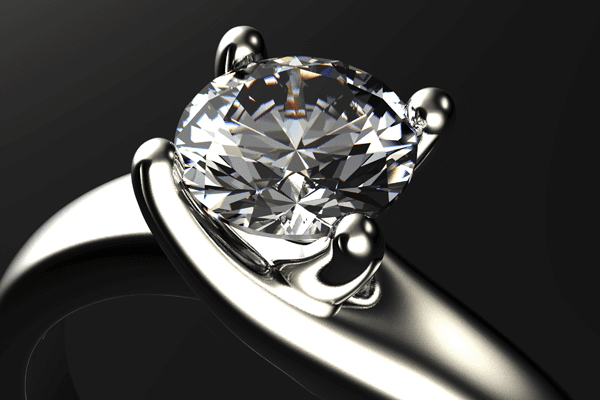
Everyday wear leaves a film of soap, skin and cosmetics that flattens the light in a diamond and darkens the metal around it. A proper clean lifts that film without loosening claws or soaking materials that should stay dry.
If a stone is already loose, cleaning is not the first step — securing it is. Tell us if you have noticed movement, a sharp edge, or a gap where a stone used to sit.
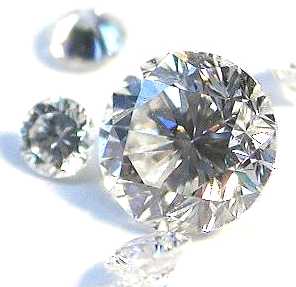
Polishing brings back the surface of gold, platinum and silver. It also removes a trace of metal, so it is not something to do on every visit to a thin shank or a finely engraved band. We will say when a polish is enough, and when the piece actually needs metal added back.
Matt, hammered and antique finishes should not be buffed to a mirror unless that is what you want. Point out the finish you wish to keep when you leave the piece.
Plating is a finish, not a repair of worn-through metal. White gold is often rhodium plated so the surface stays bright and cool in colour. Yellow gold plating can refresh a piece whose colour has become patchy. When the underlying metal is thin or broken, plating will not hold the job together — that is a repair, and we will tell you so.
Ask us which finish suits the jewel you have. A family piece with an original colour is sometimes better left unplated.
Names, dates and short inscriptions on rings, lockets and the inside of a band. Wedding and anniversary pieces are the work we are asked for most often.
Seal engraving is a separate skill from a simple inscription: a device cut so it can be read when impressed. Bring the seal, or a clear impression, if you need one recut or matched.
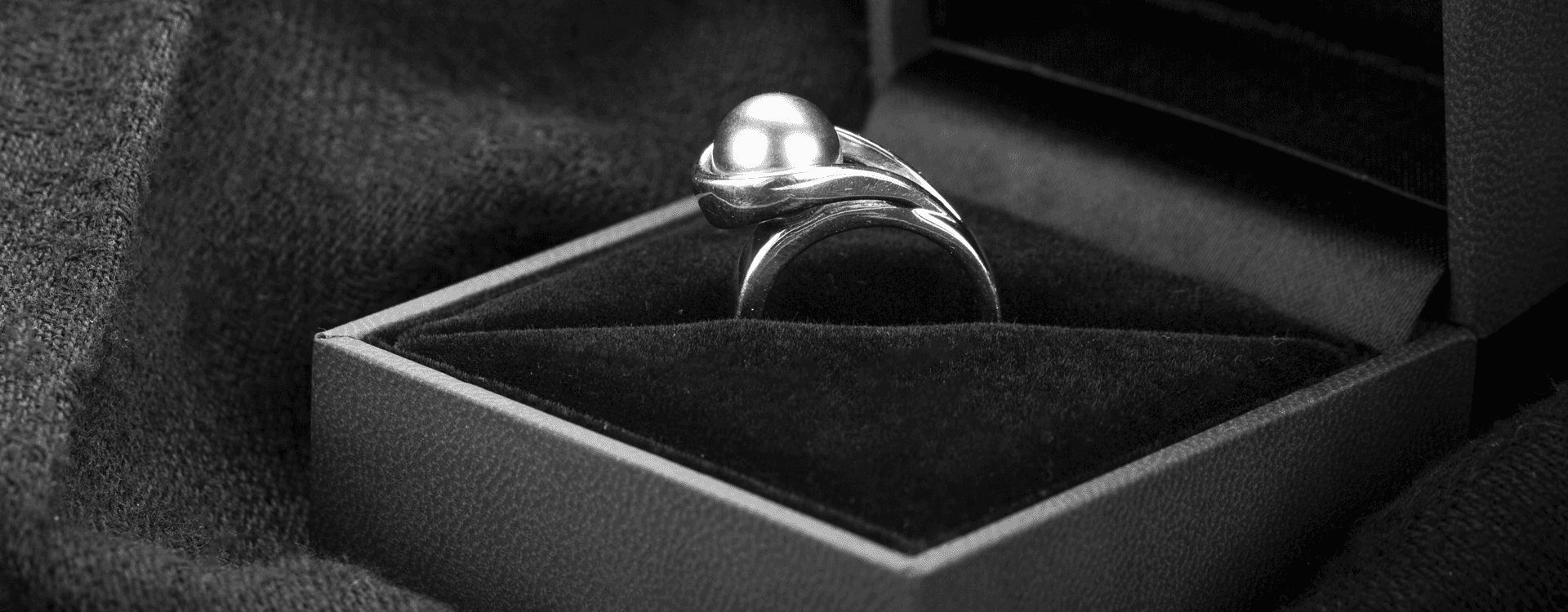
Pearl re-stringing is on the workshop list because a strand should be restrung before it breaks, not after the pearls have scattered. If the silk looks furry, the knots feel slack, or the clasp is the only thing holding the row, bring it in.
June’s traditional birthstone is the pearl, and pearls also mark a 30th wedding anniversary in the list we publish. A strand that has been worn for years is often the right anniversary present to restore rather than replace.